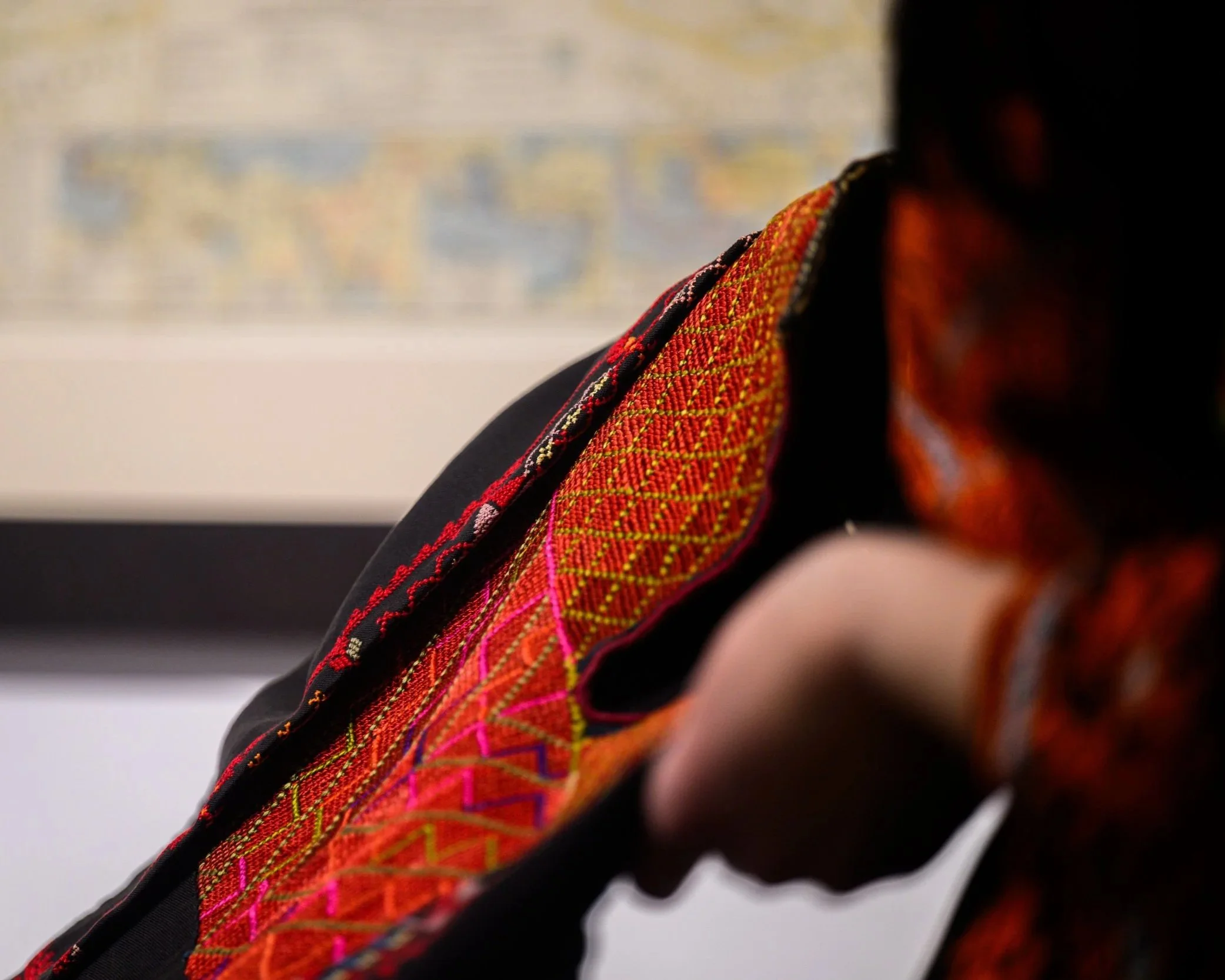
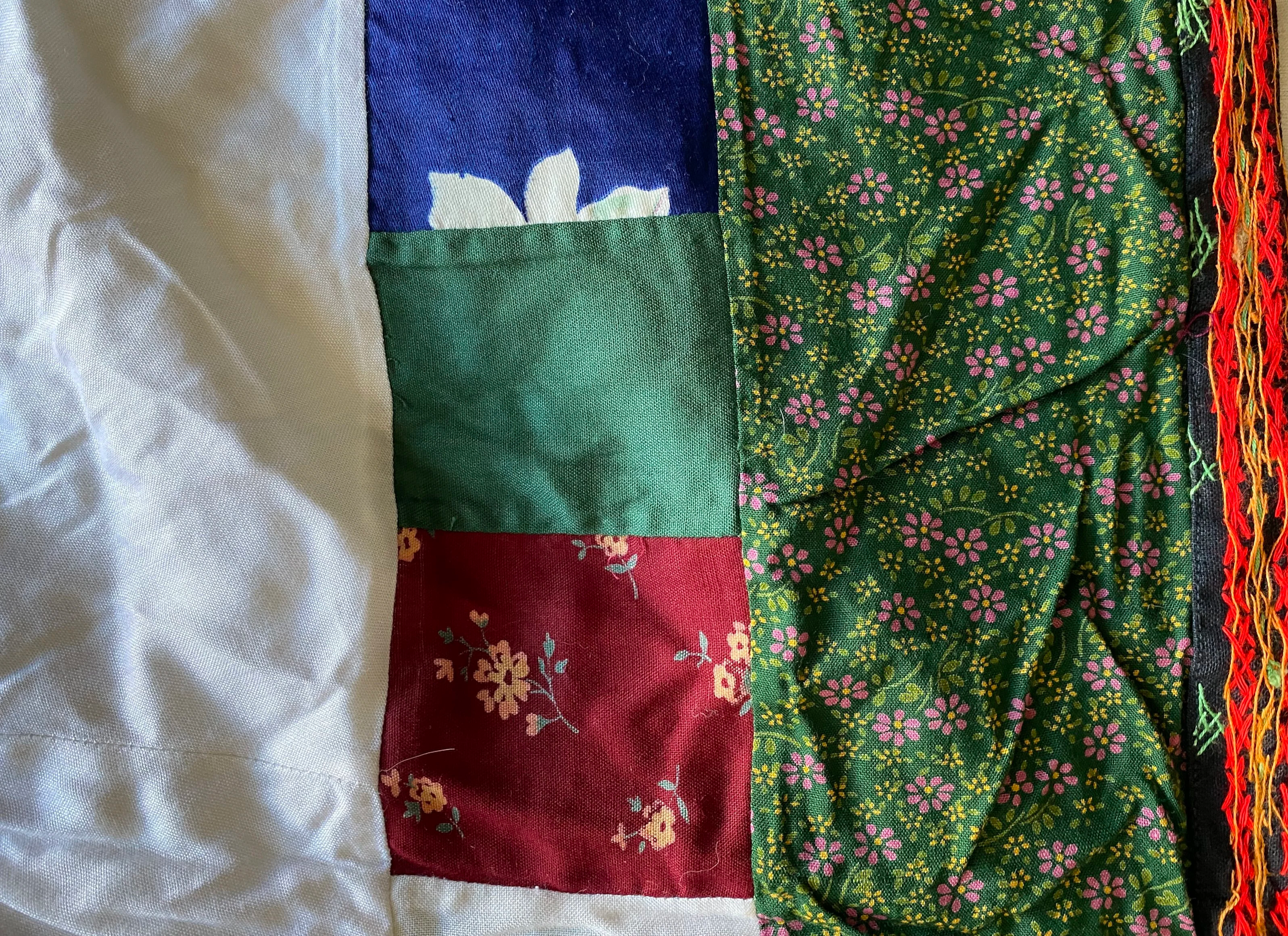
Inner lining of Dress 3, from Saudi Arabia
DEACCESSIONED CULTURAL OBJECTS AVAILABLE FOR DONATION
As part of a larger donation to the Tatreez Institute in 2021, I received several cultural objects that fall outside the scope of my research. I am now seeking appropriate new homes for these objects and welcome expressions of interest from nonprofit organizations, cultural institutions, researchers working with these particular cultural traditions, individuals who belong to the cultures represented, and others as recommended by my trusted colleagues, former students, and fellow dress historians.
Recipient Priorities and Conditions
I will prioritize recipients who are not affiliated with commercial businesses and whose primary purpose is to collect, research, preserve, and/or educate the public. These objects are being offered in the interest of cultural preservation and responsible stewardship, not commercial exchange.
Those interested in receiving one or more of the objects should be prepared to detail how they intend to use the objects in their work and provide evidence or assurance that the objects will not be resold on the antique market or otherwise used for personal or commercial profit.
How to Express Interest
If you are interested in receiving any of these objects, or can recommend an appropriate recipient, please contact me at Wafa.ghnaim@gmail.com. Please feel free to forward this announcement to colleagues, researchers, or institutions that may have an interest in these objects.
Thank you for helping these cultural objects find appropriate new homes!
ORIGINAL Acquisition Notes
Date of Donation Receipt: 3 September 2021
Donor: Prefers to remain anonymous
Purpose of Donation: Research & Education — The donor indicated that I may research the objects and use them for educational purposes.
Place and Culture of Objects: According to the donor, he and his wife lived and worked in the “Middle East” for many years. The wife has passed away, and the husband indicated “I really do not know where they were purchased or their history. They were probably bought in Arabia.” He later indicated in an email, “My wife and I met in Saudi Arabia where she was teaching in the Aramco schools. Her path to Saudi Arabia was through Beirut where she taught at the American Community School until the war forced her out… I really don't know much about this.”
DEACCESSIONED INVENTORY LIST
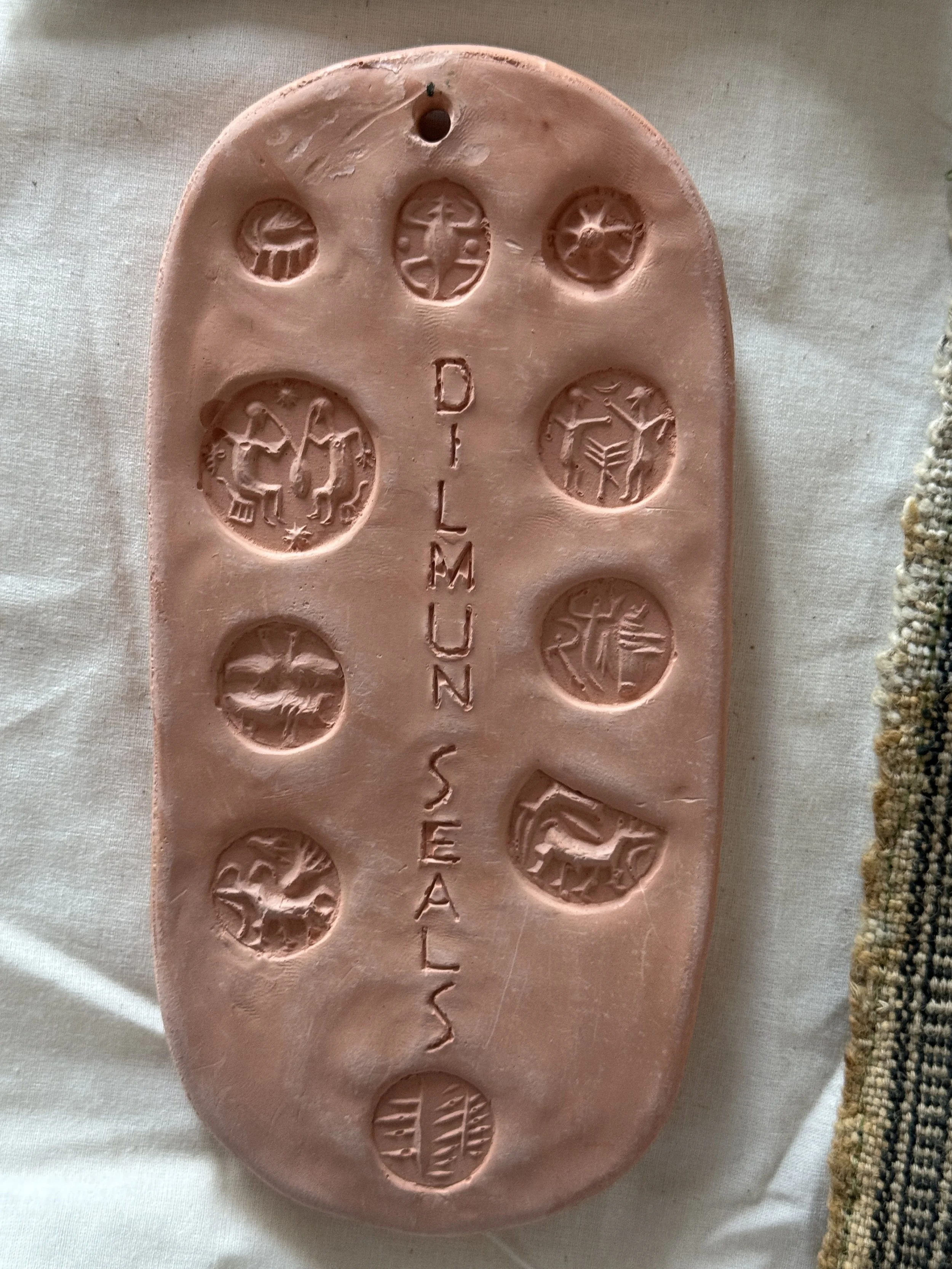
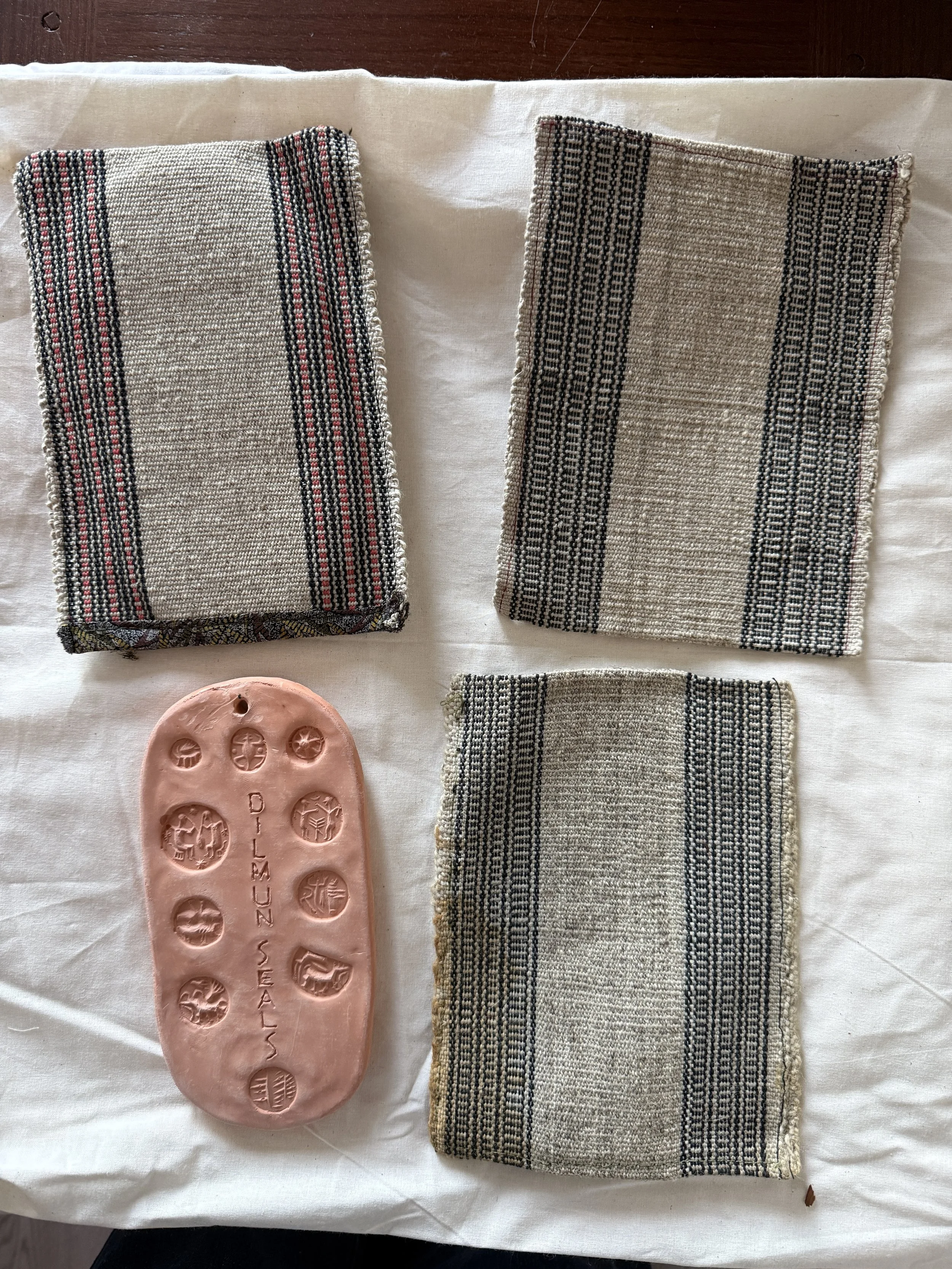
DILMUN SEALS PLAQUE & SLEEVES
Origin: Possibly modern-day Bahrain and Failaka Island (Kuwait)
Period: Uncertain, likely acquired in mid-20th century
Additional details: Dilmun seals are small, intricately carved stamp seals created during the Bronze Age (roughly the late 3rd to early 2nd millennium BCE) by the ancient Dilmun civilization, which was centered in modern-day Bahrain and Failaka Island (Kuwait). This object is a clay reproduction likely produced as a tourist souvenir.
Status: Available
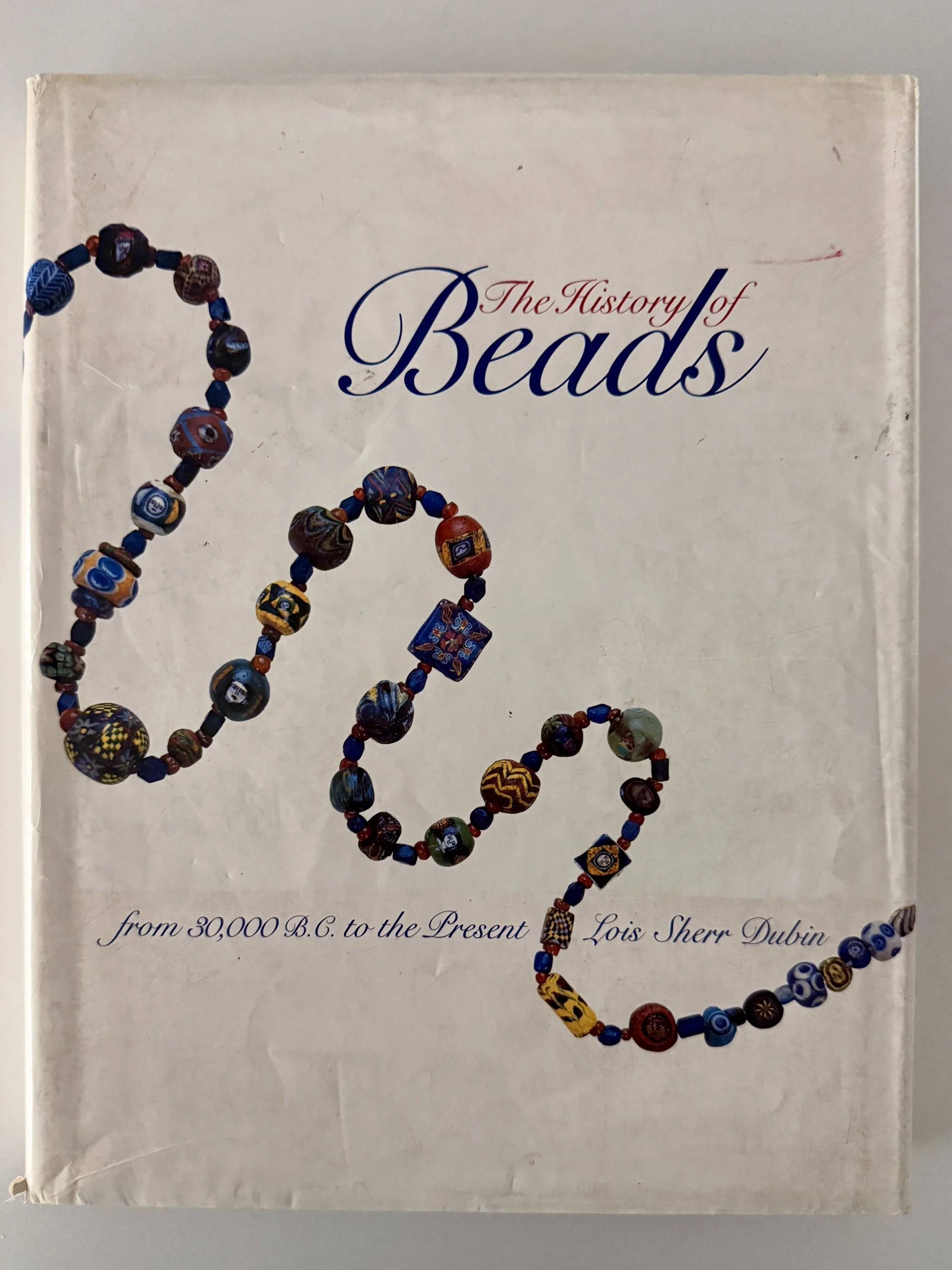
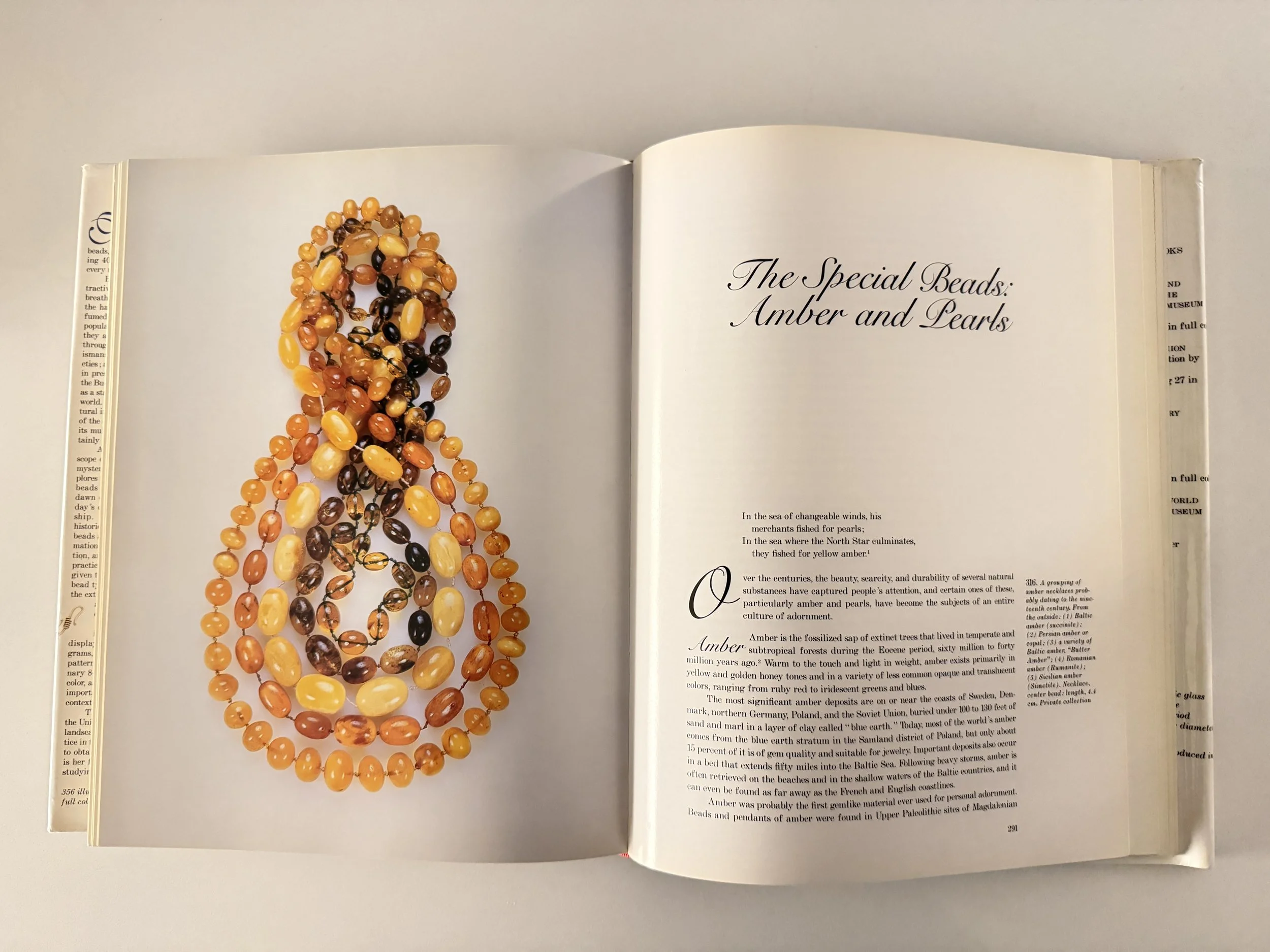
BOOK
Title: The History of Beads (1987)
Condition: Used, but still includes the fold out bead chart! Not part of the 2021 acquisition.
Status: Available
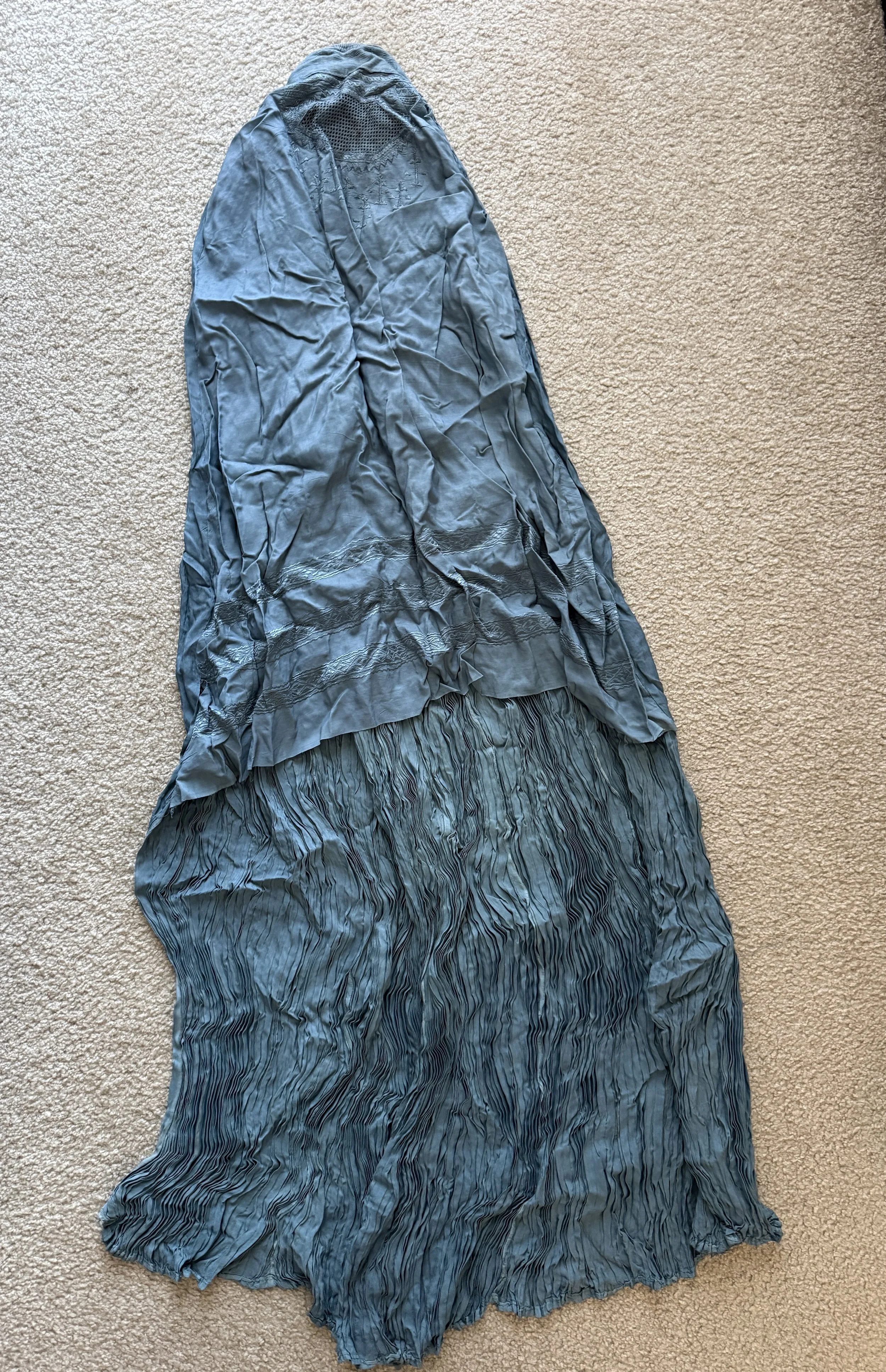
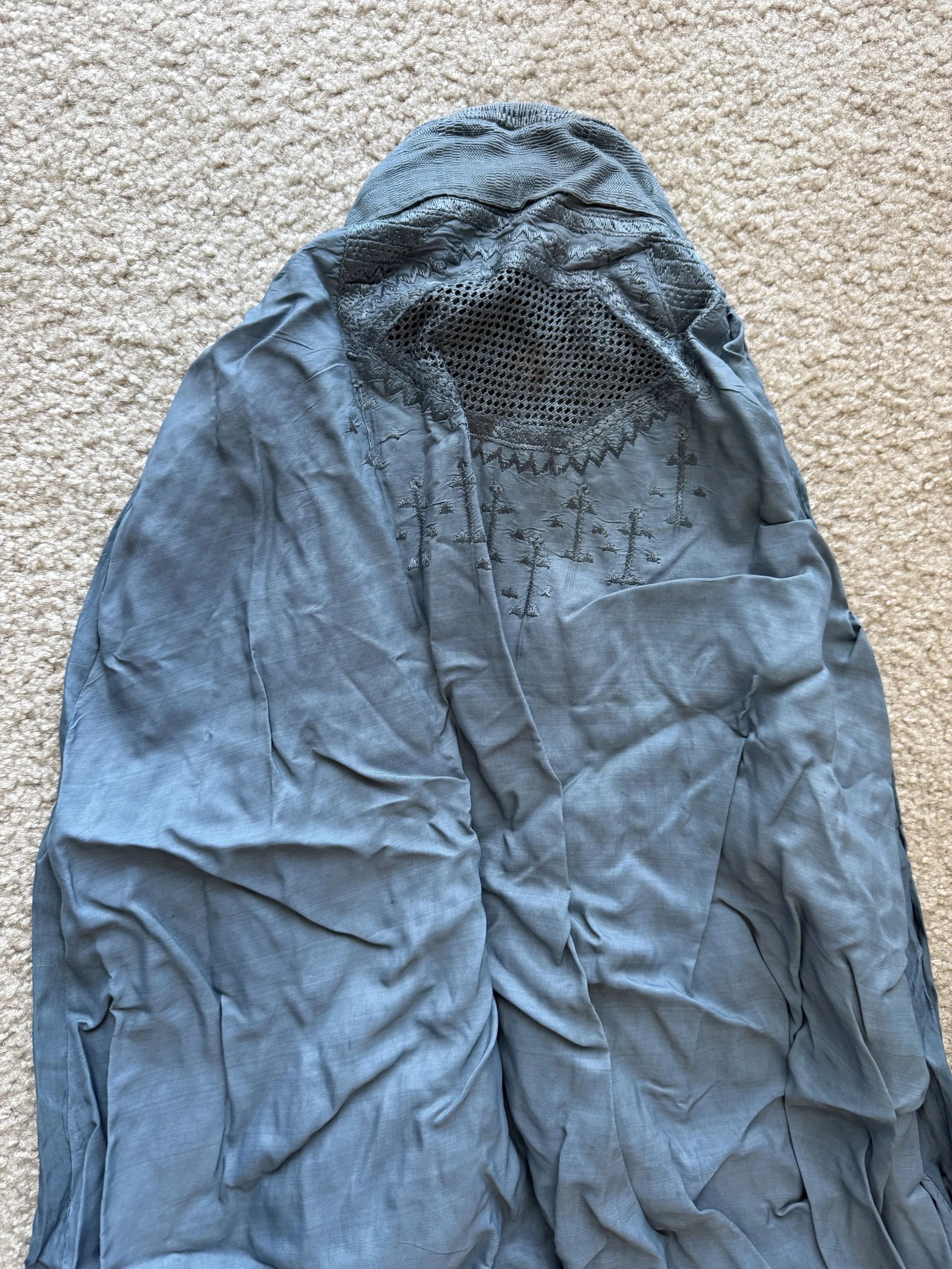
BURKA
Origin: Afghanistan
Period: Possibly 1970s
Additional details: The face covering over the mouth is stained from repeated use.
Status: Available
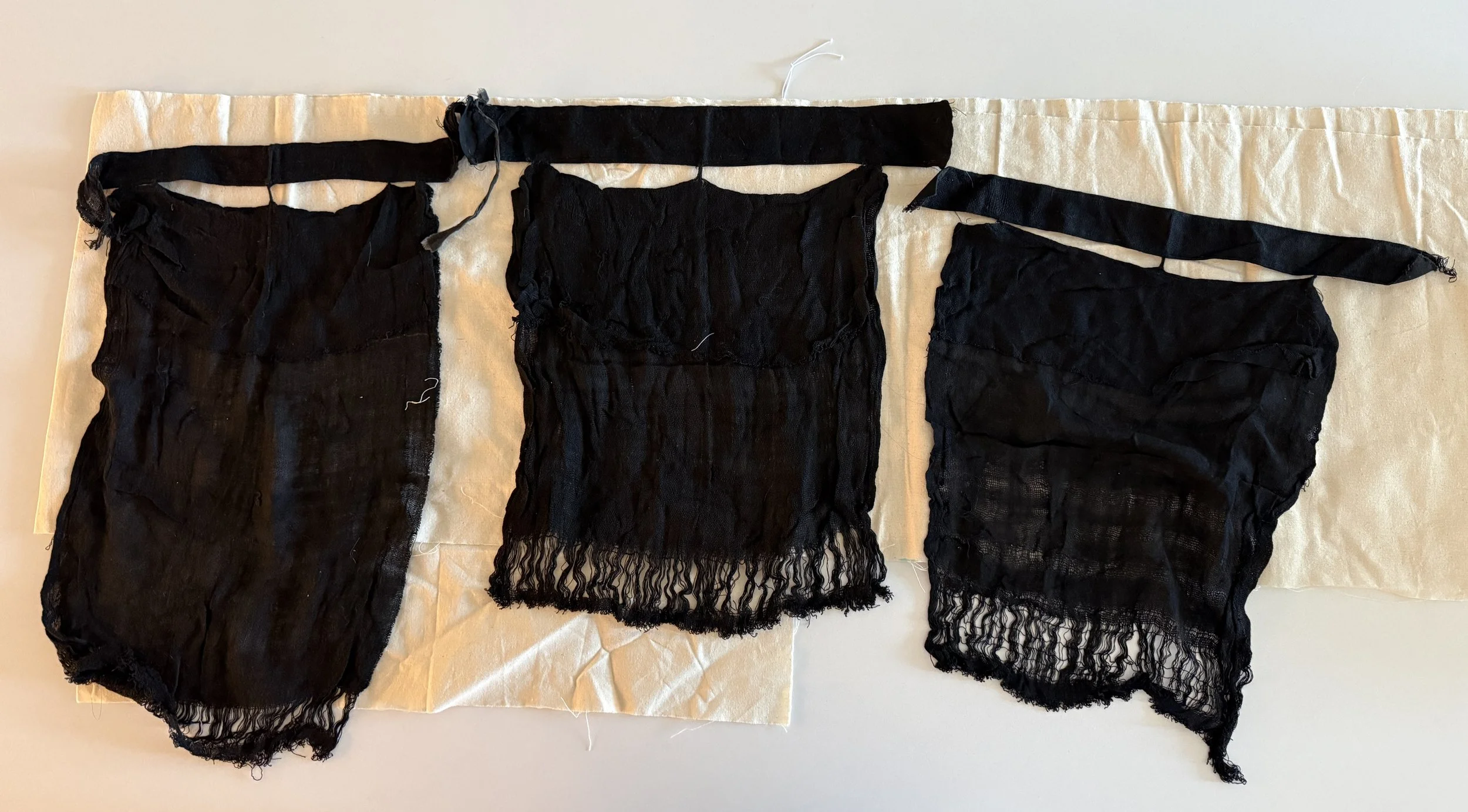
FACE VEILS
Origin: Unsure
Period: Loose weave linen, so possibly mid 20th century or earlier
Additional details: There are three, and they look beautifully handwoven with slight alterations from one another. The top third is dense, the mid third is a lighter weave, and then there are tassles on the bottom third.
Status: Available
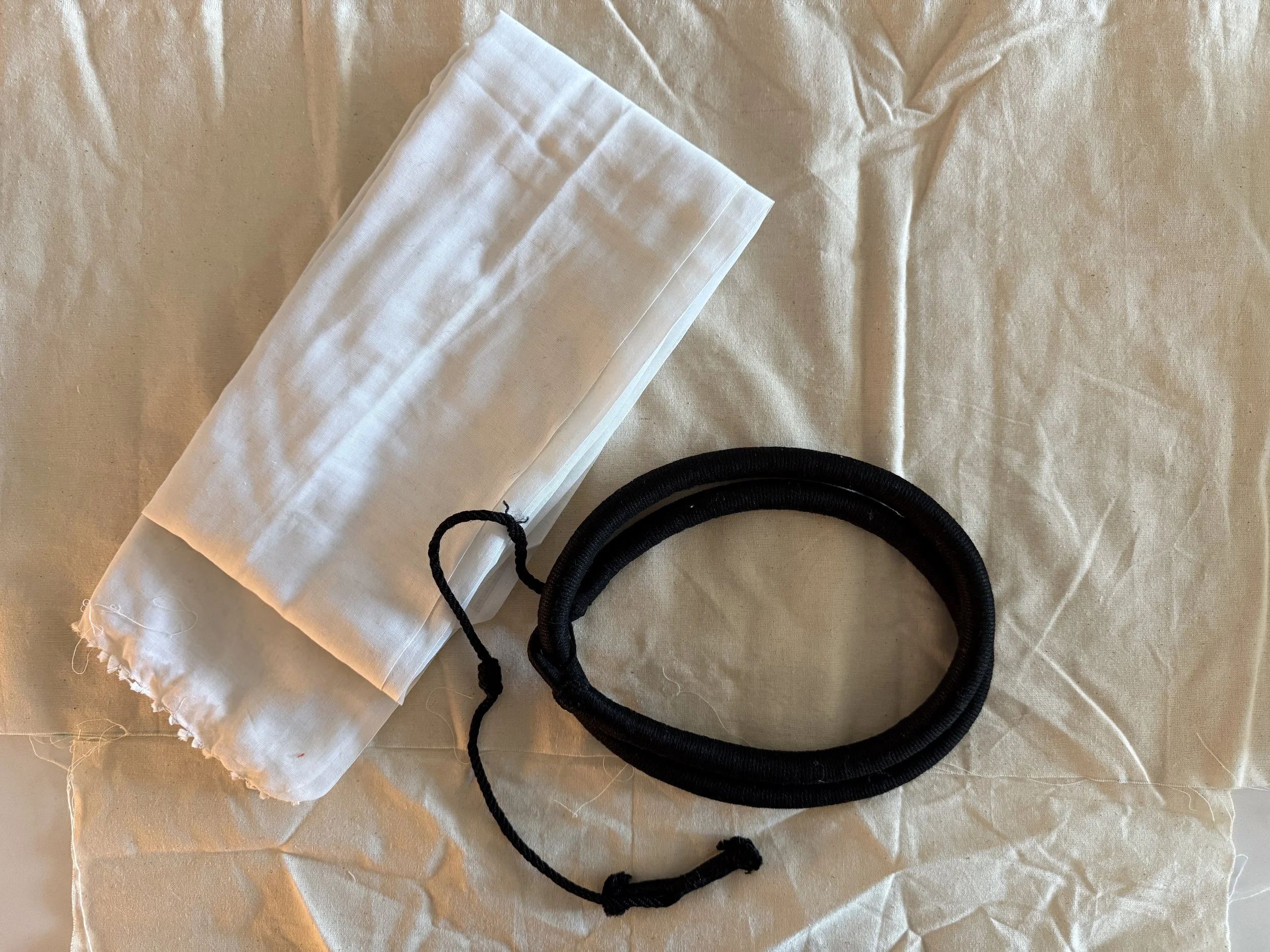
MEN’S HEADDRESS
Origin: Unsure, possibly Saudi Arabia or Egypt?
Period: Unsure
Status: Available
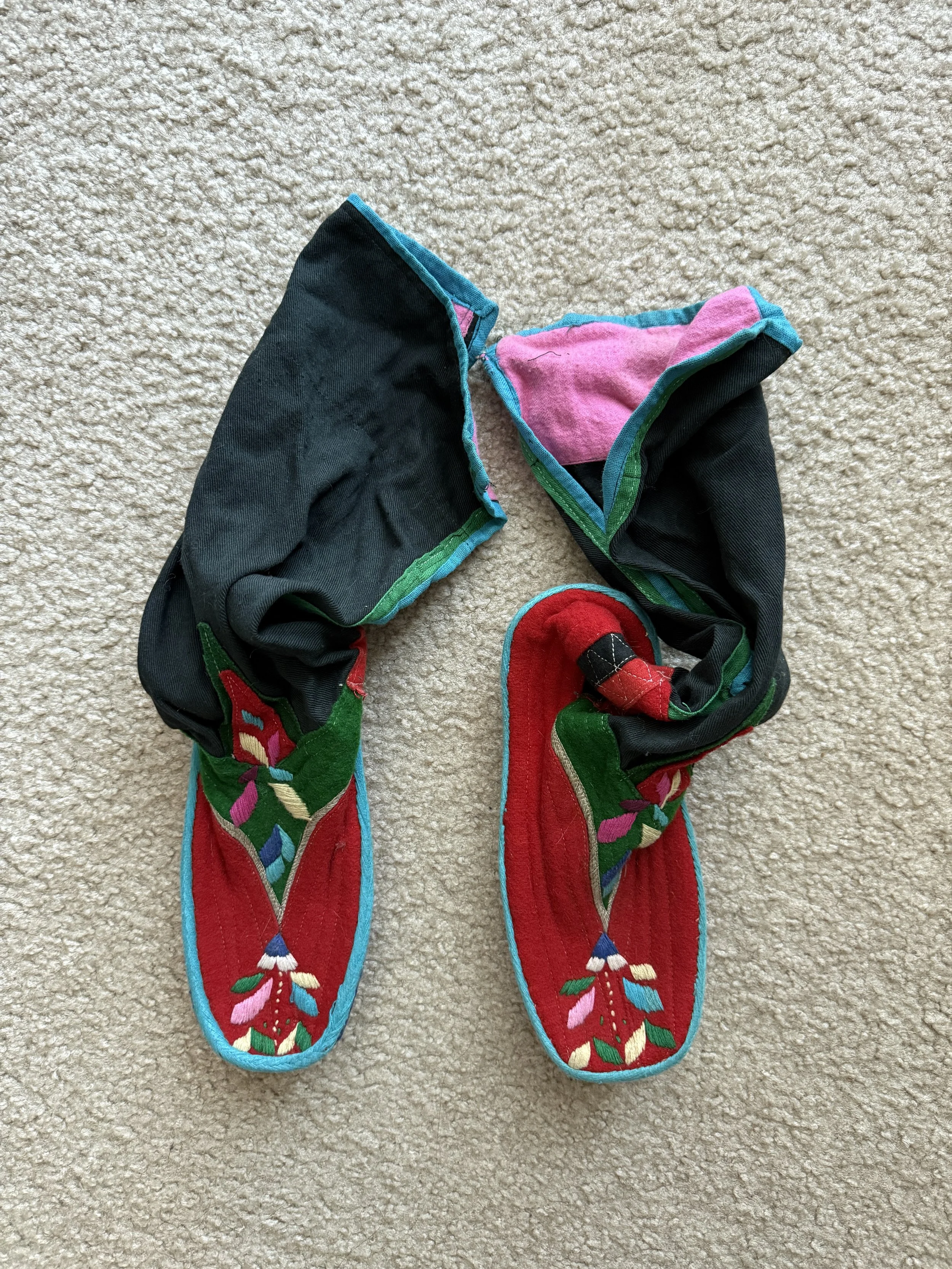
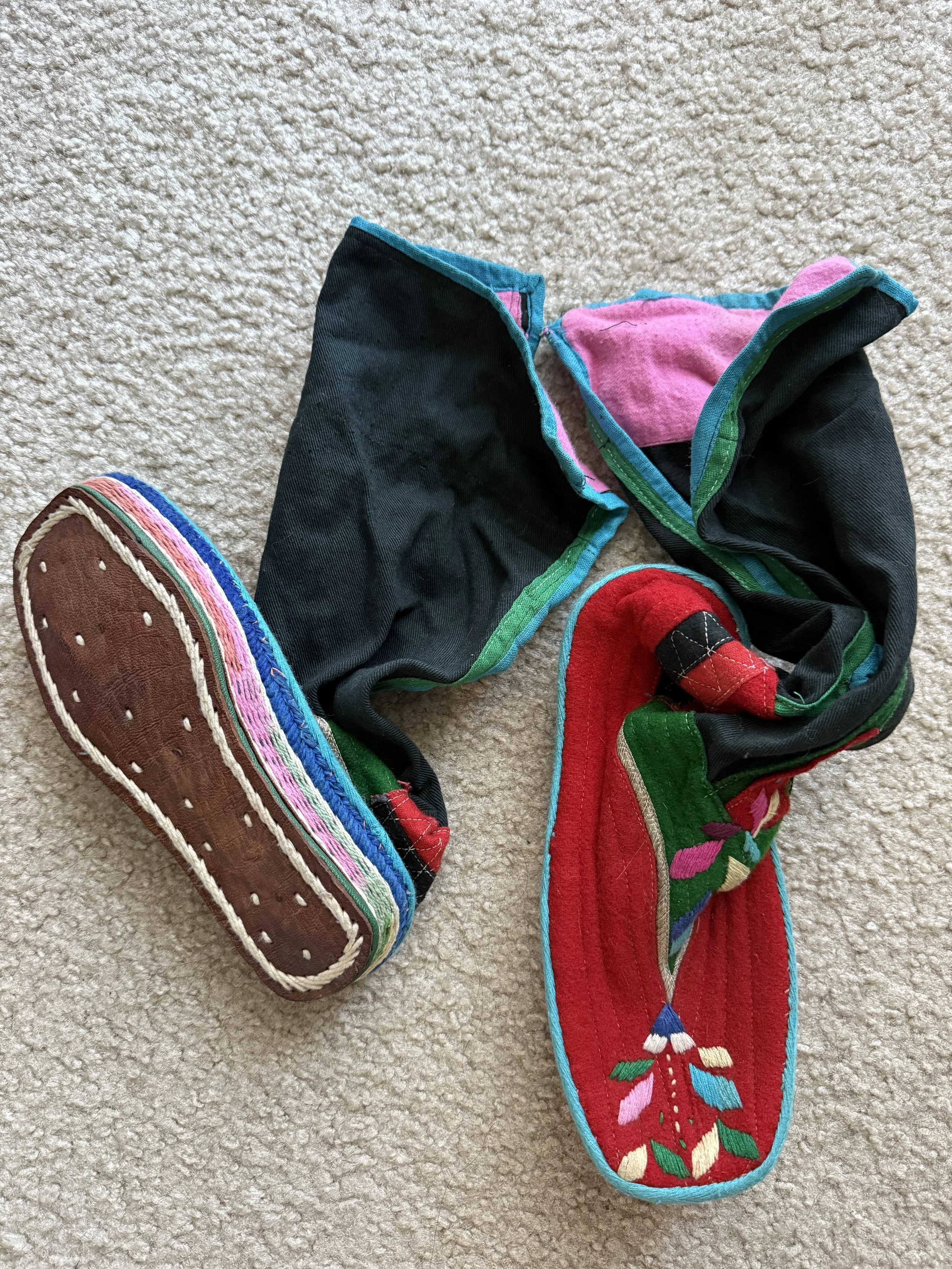
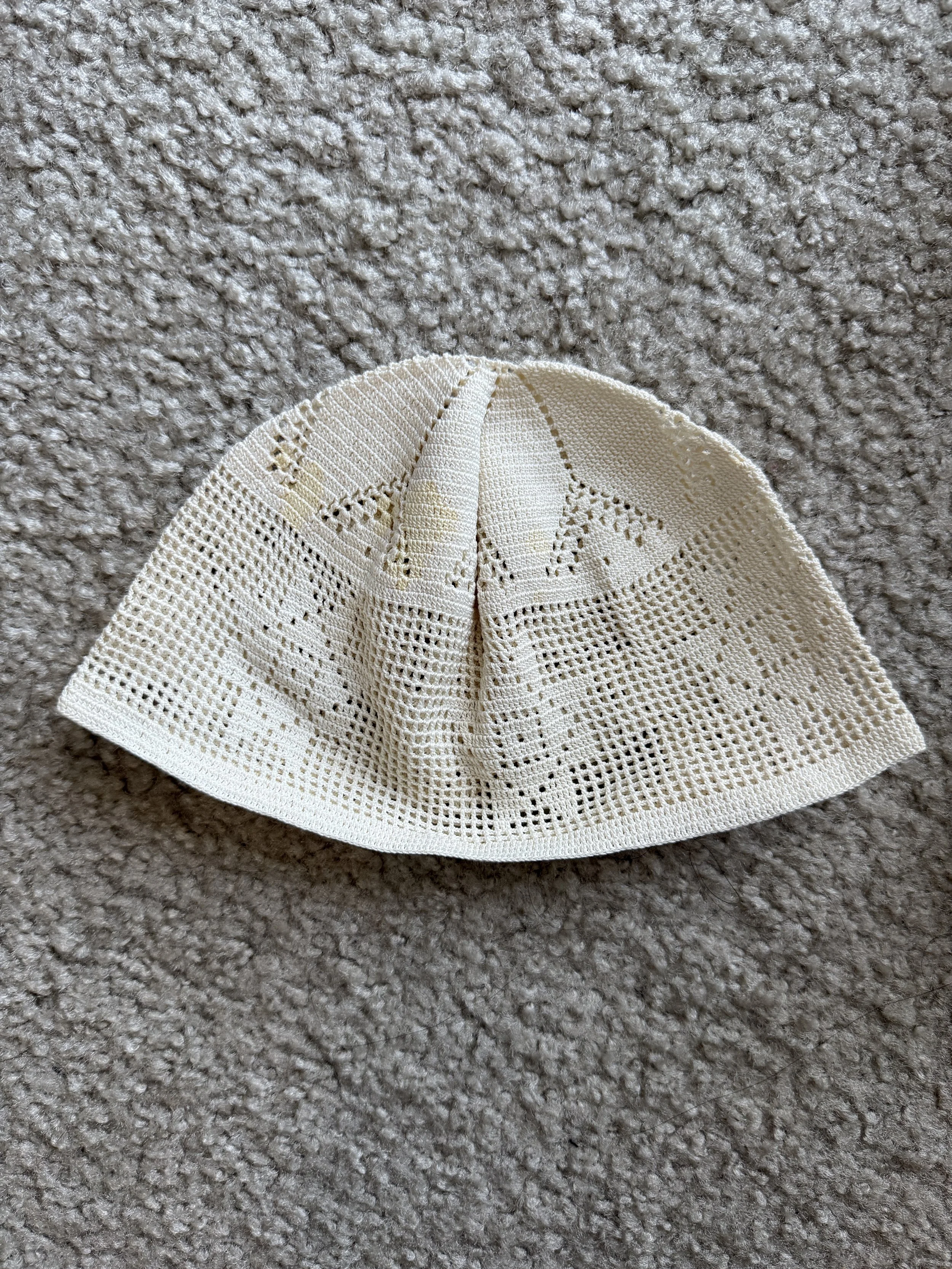
SHOES & CAP
Origin: Unsure
Period: Unsure
Additional details: The cap seems to have discoloration.
Status: Available
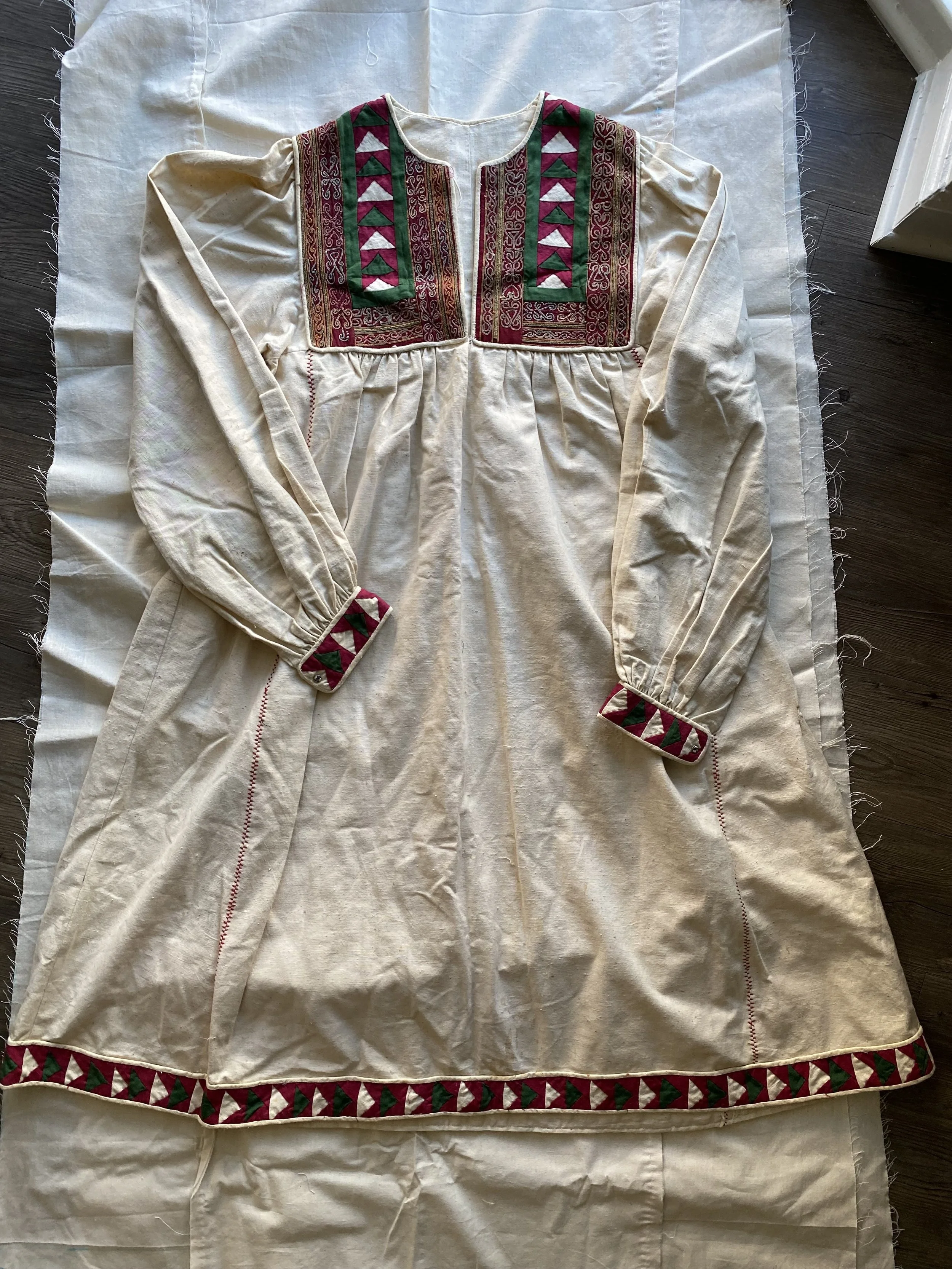
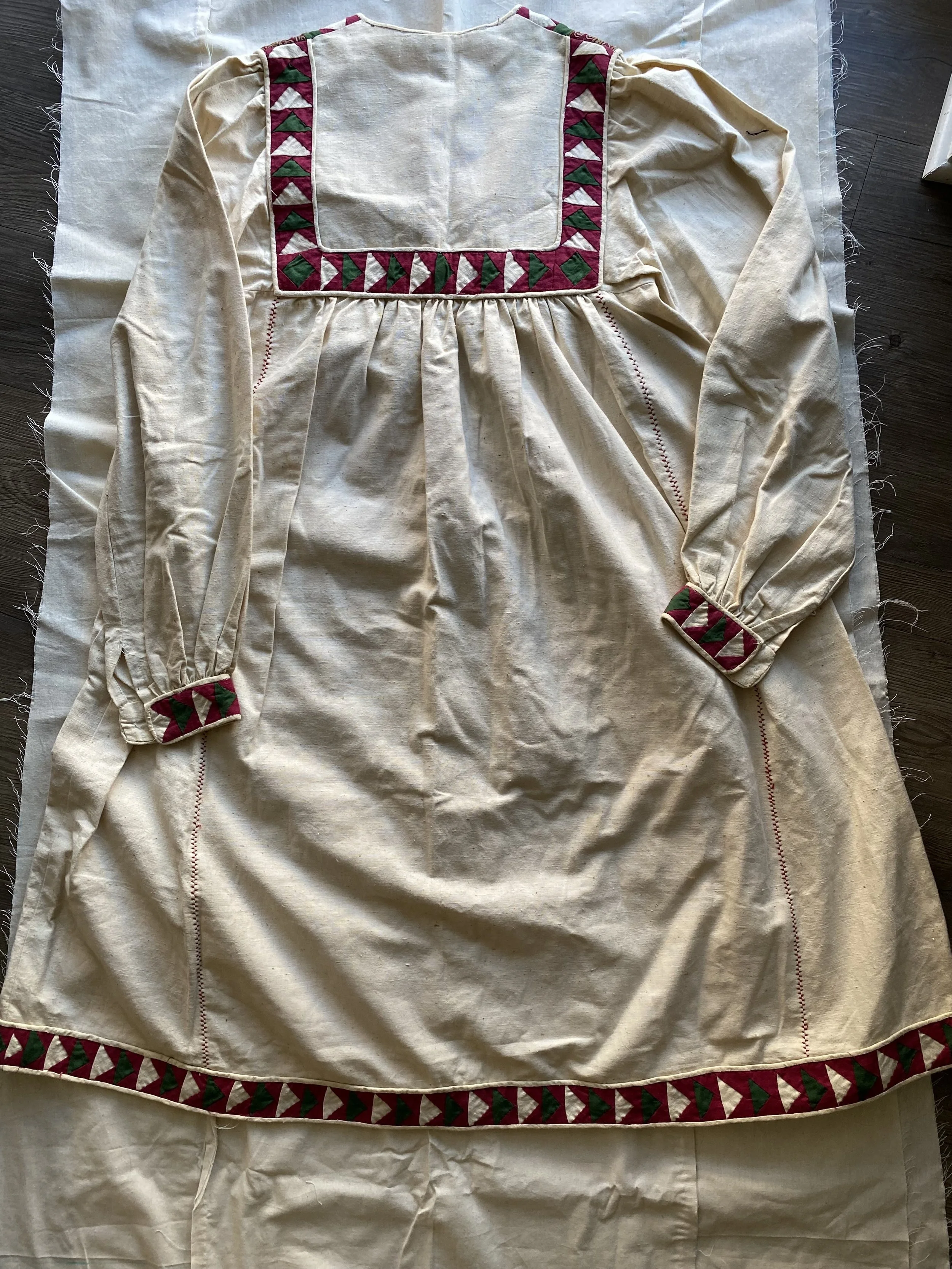
DRESS 1
Origin: Nepal
Period: Late 20th century
Length: 110 cm
Skirt width: 103.5 cm (laid flat)
Additional details: Possibly made for the tourist market.
Status: Available
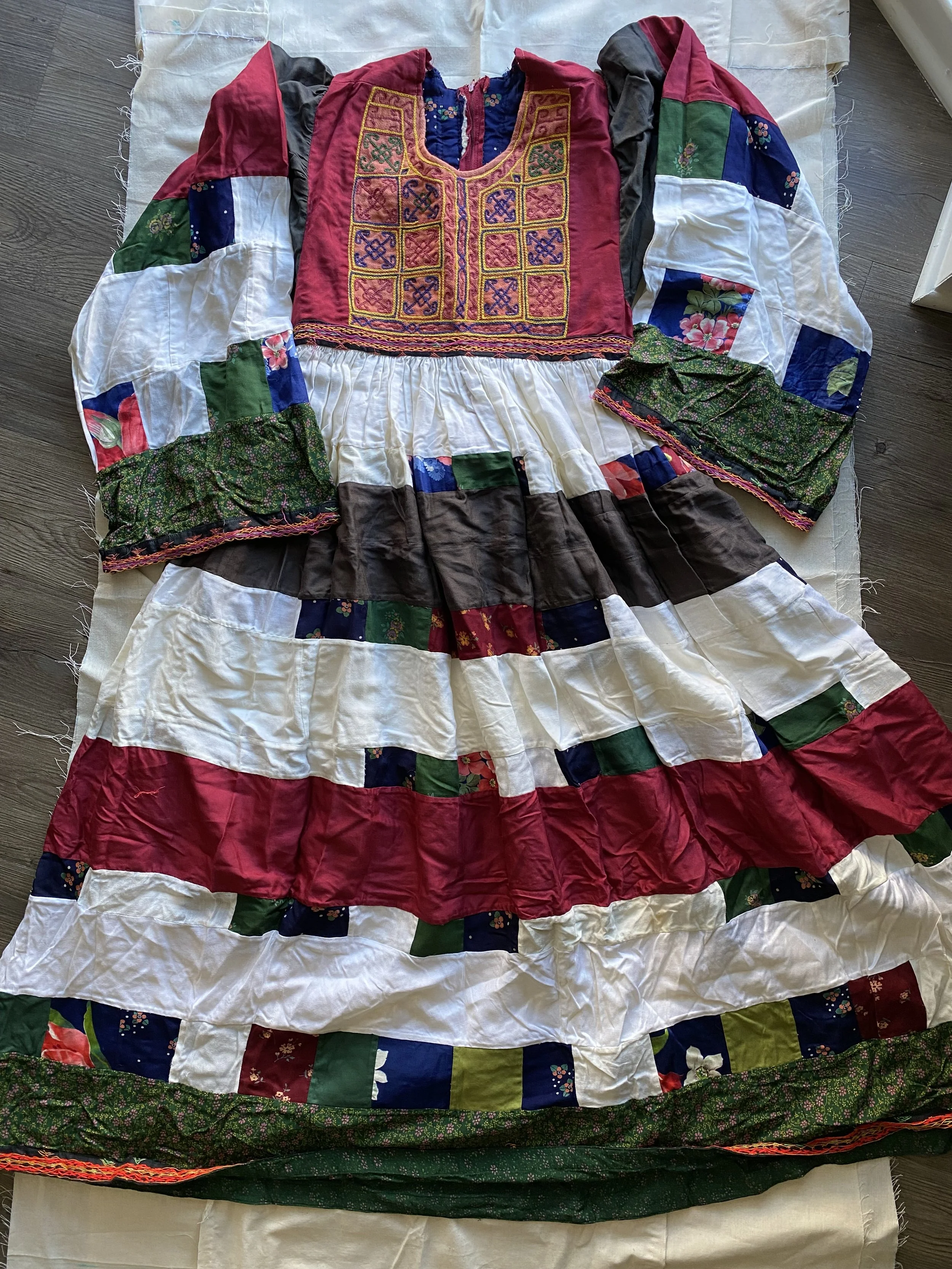
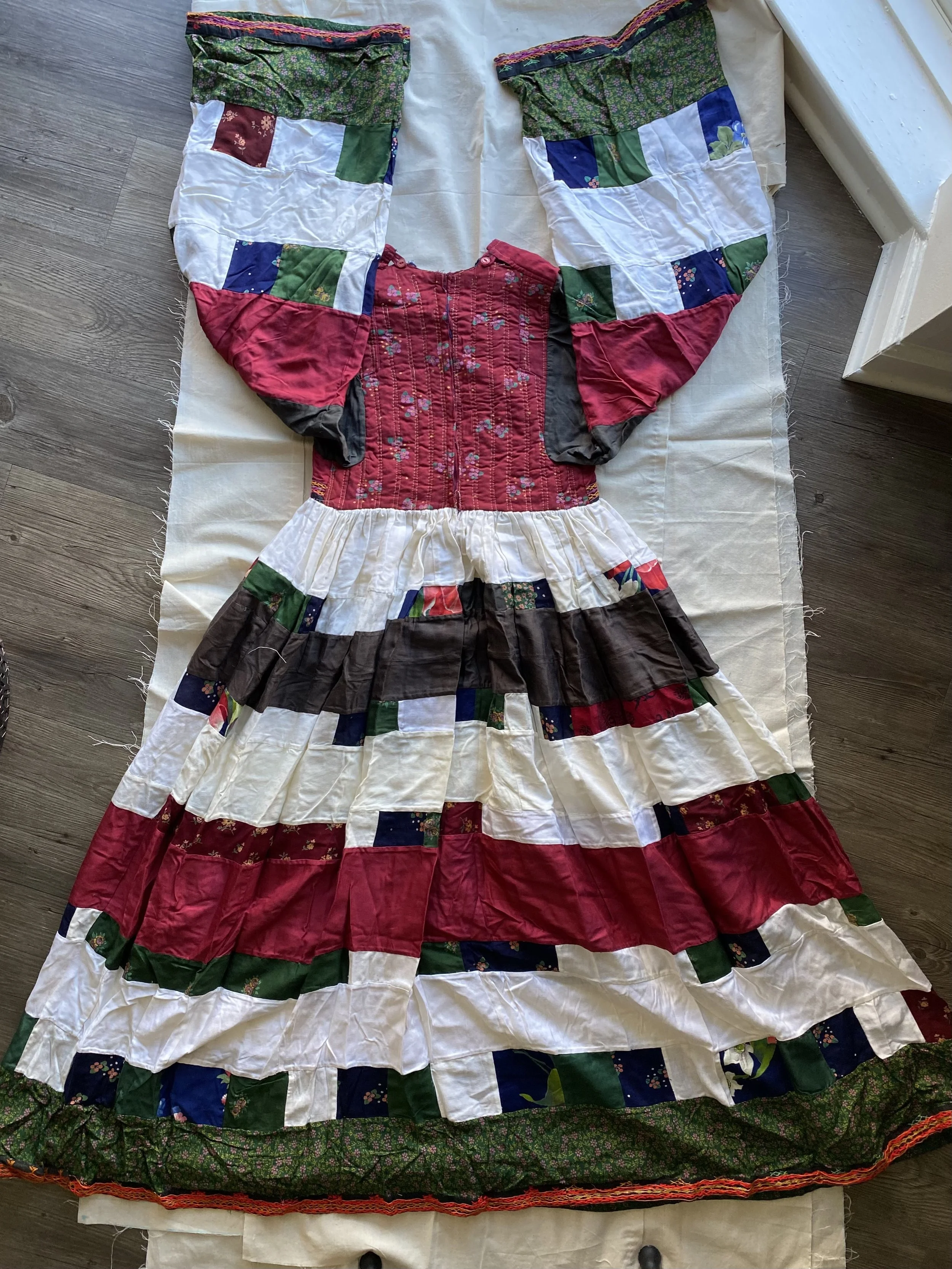
DRESS 2
Origin: Nepal
Period: Late 20th century
Length: 126.5 cm
Skirt width: 139.5 cm
Additional details: Hippie/tourist style.
Status: Available
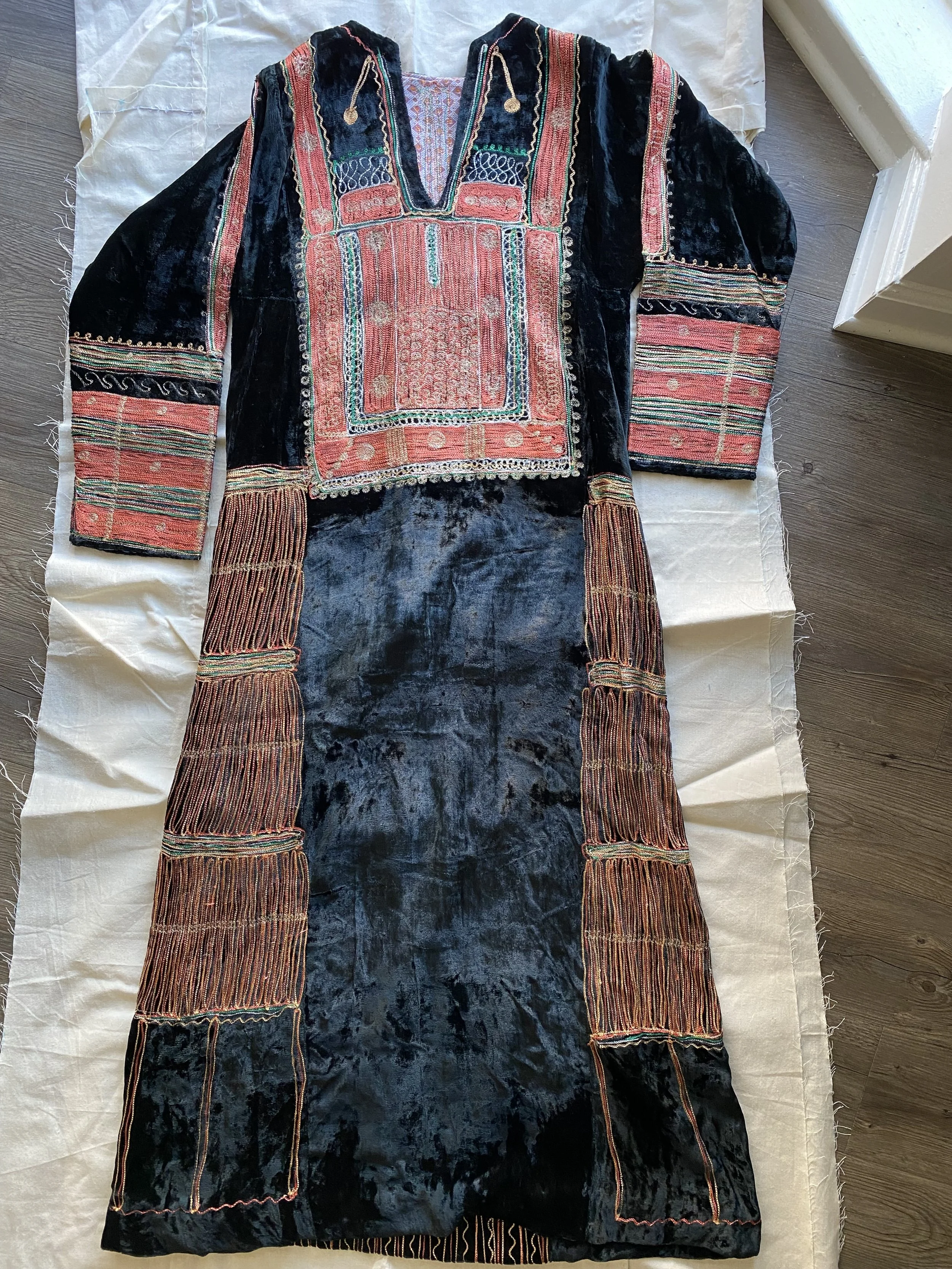
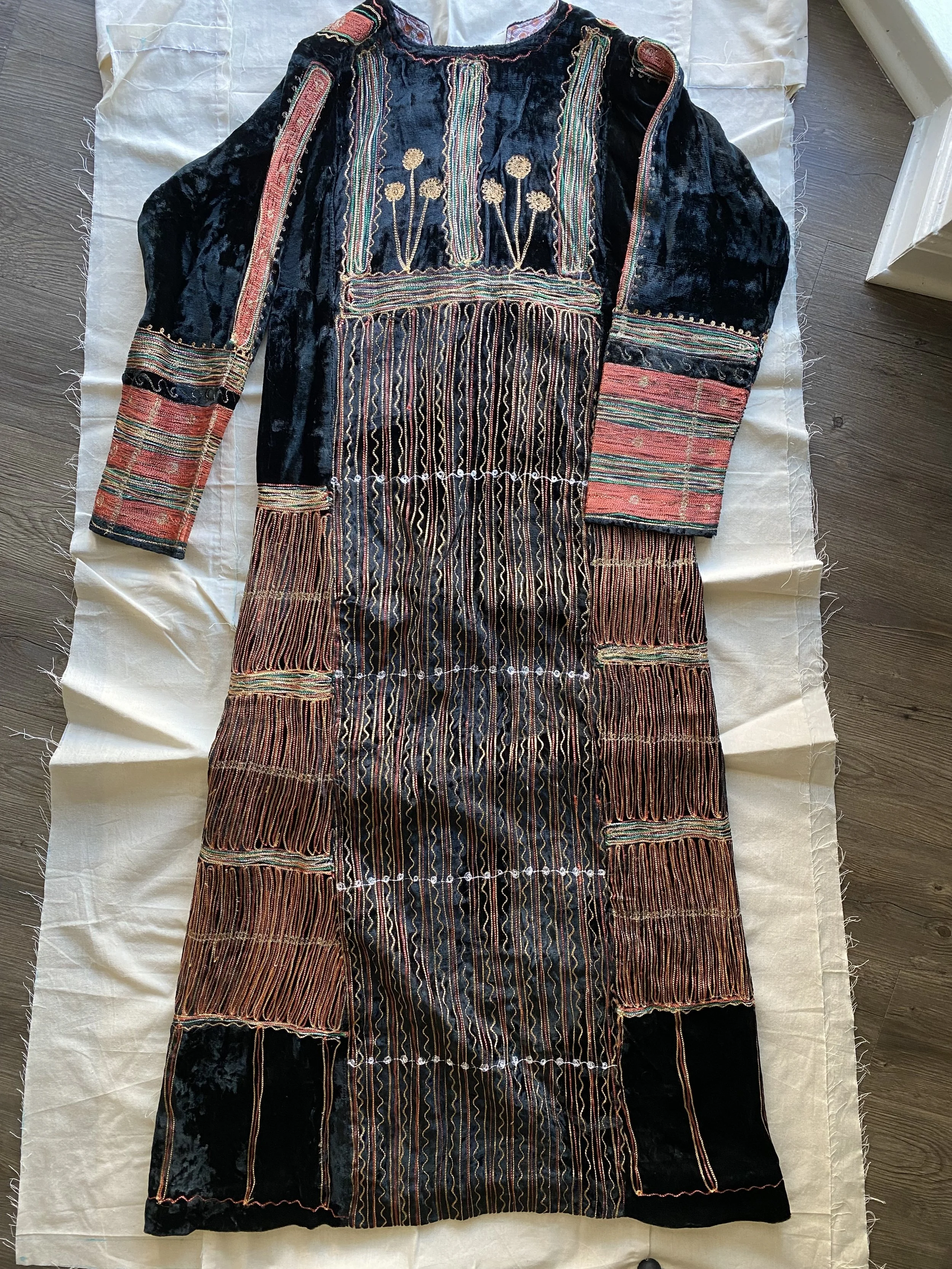
DRESS 3
Origin: Southern Asir Region, Saudi Arabia
Period: Late 20th century
Length: 137 cm
Skirt width: 75.5 cm
Status: Available
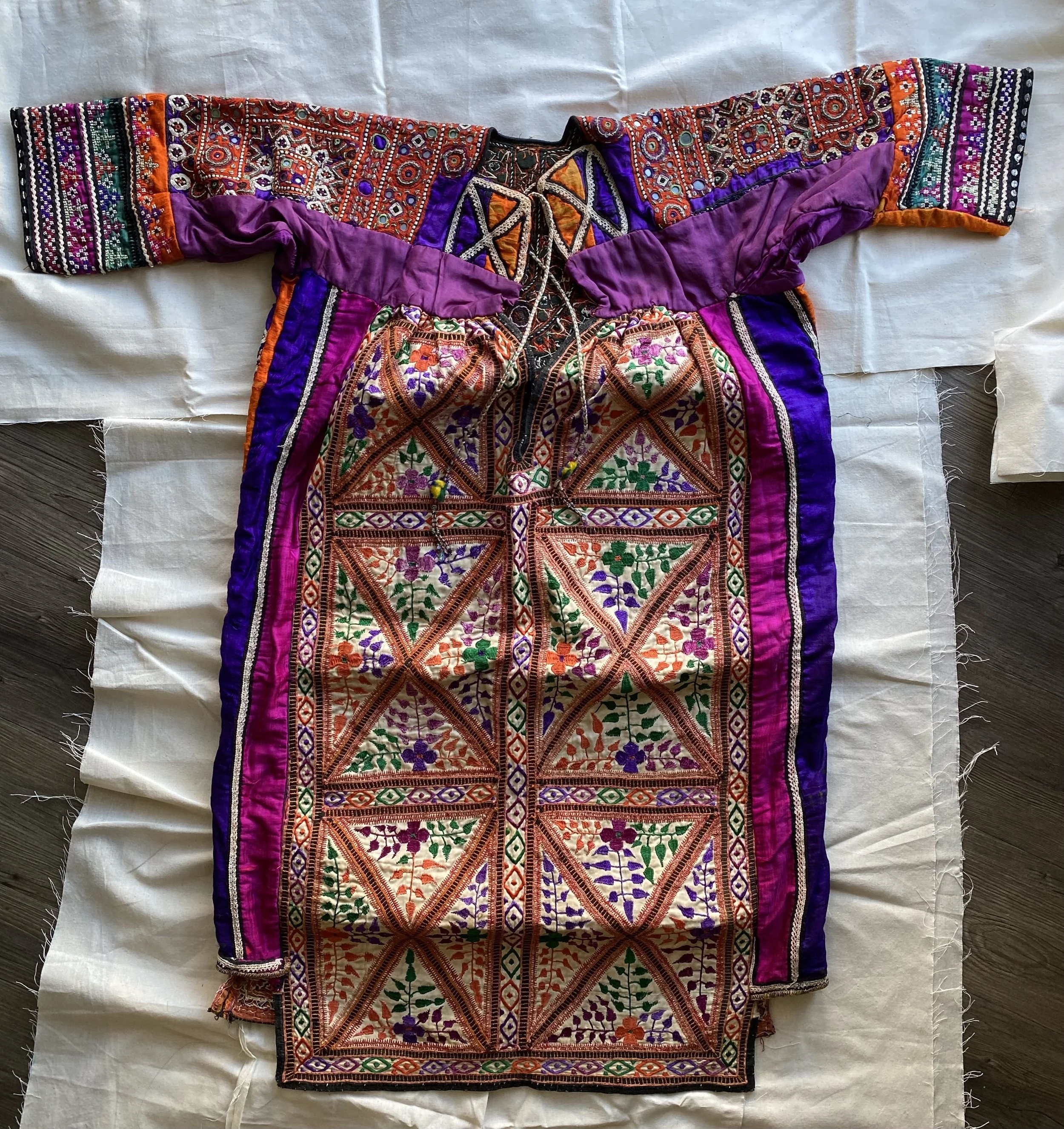
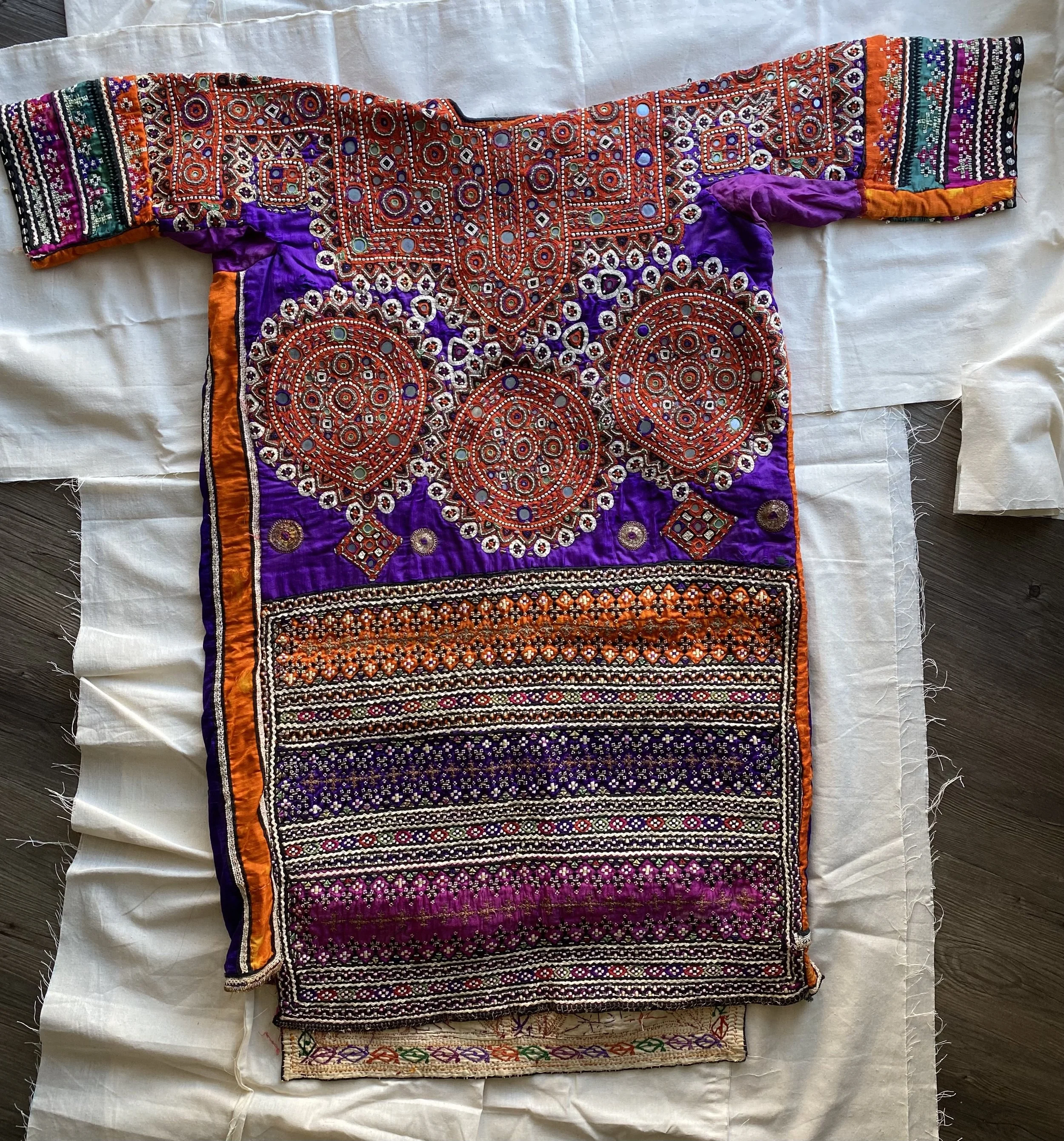
DRESS 4
Origin: Rajasthan, Western India
Period: Mid-to-late 20th century
Front length: 95.5 cm
Back length: 88.5 cm
Width: 61 cm
Additional details: Possibly associated with the Sindhi community, which has a significant presence in Pakistan and communities in Rajasthan and other parts of India. It does not appear to be Balochi in origin, as it lacks the characteristic front pocket known as a "bandool."
Status: Available
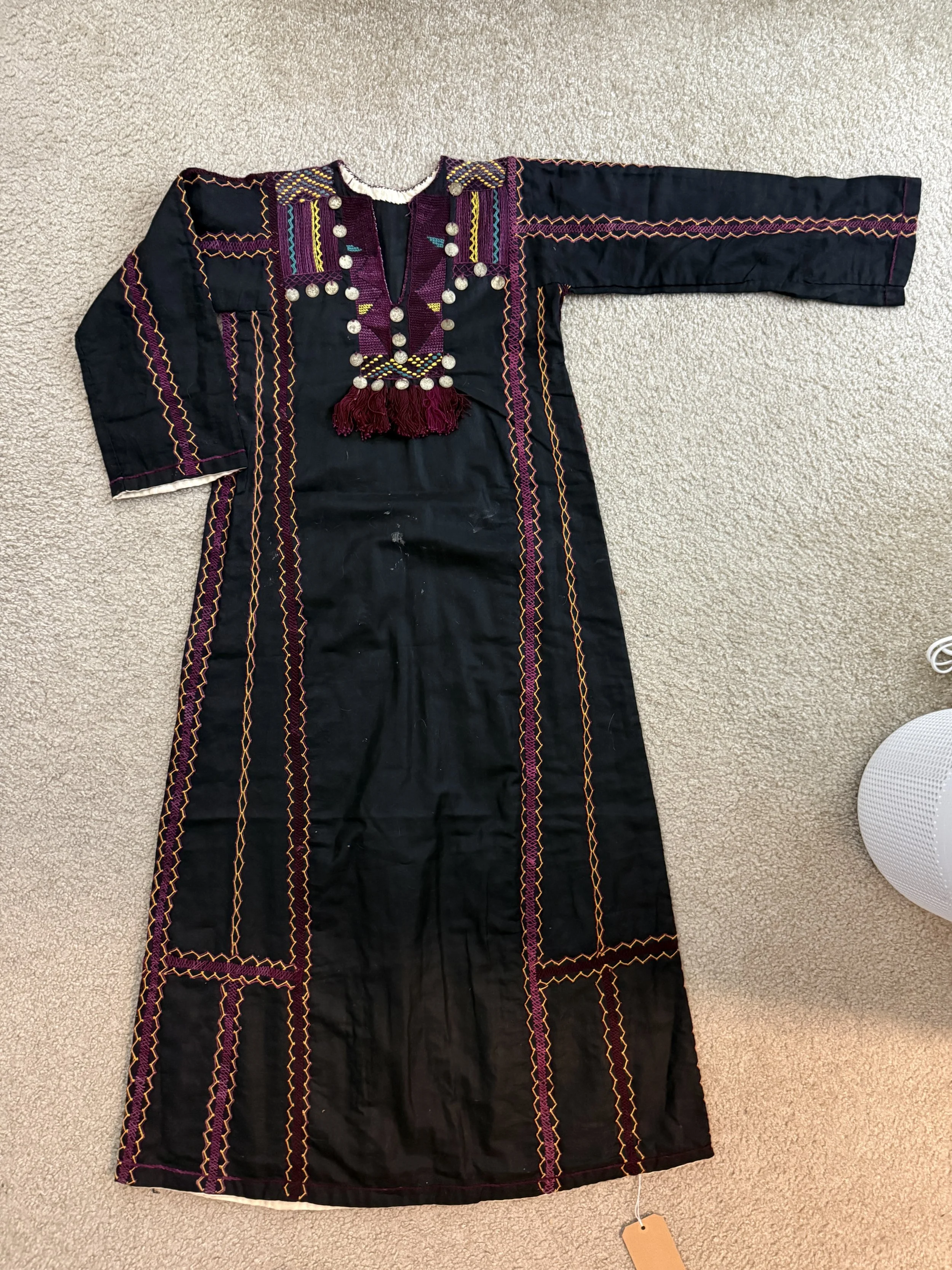
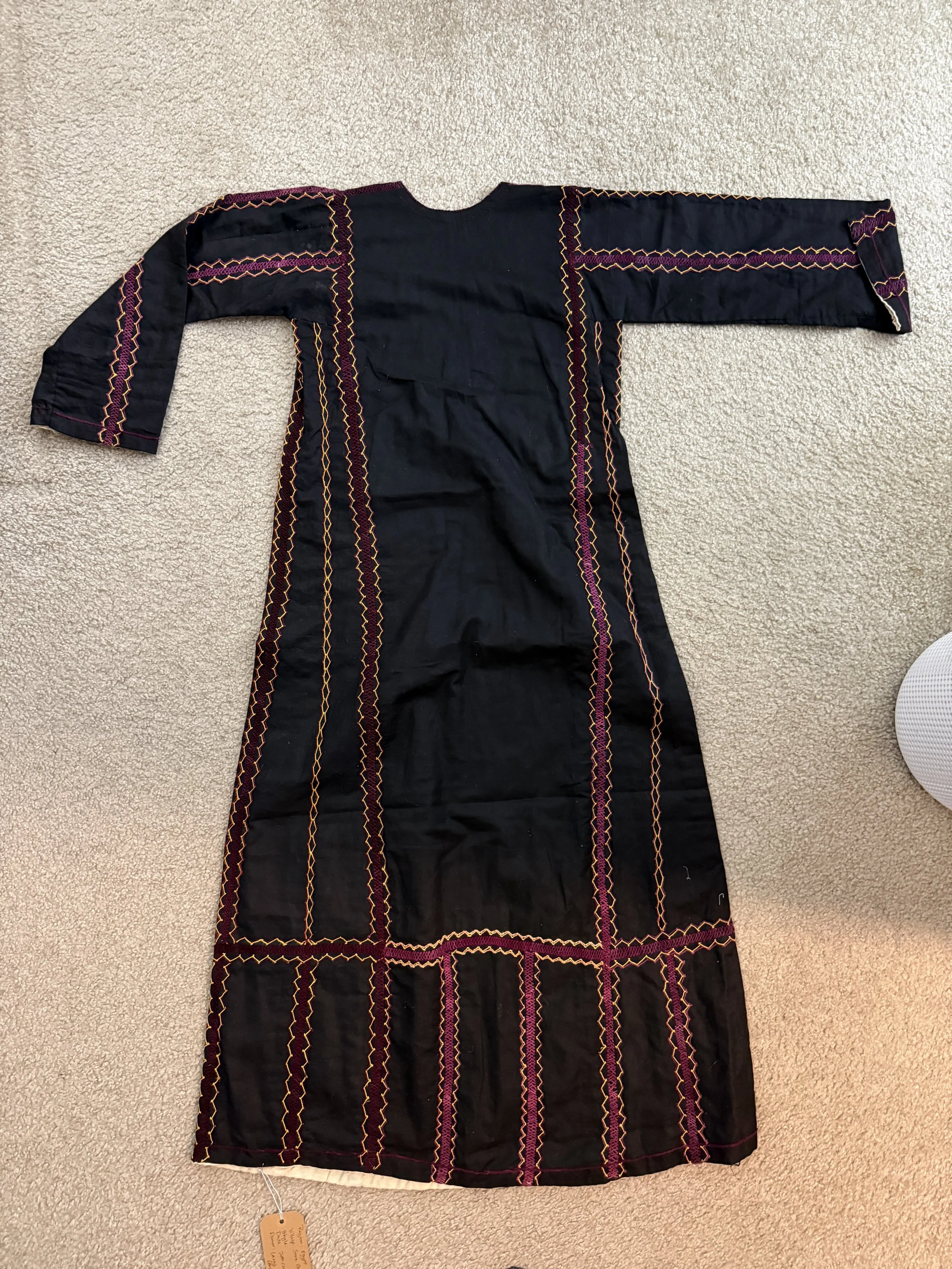
DRESS 5
Origin: Siwa Oasis, Egypt
Period: 20th century (late?)
Additional details: Appears to have been worn and there are white stains along the waist and belly of the dress that are visible. I have not attempted any home conservation treatments.
Status: Available
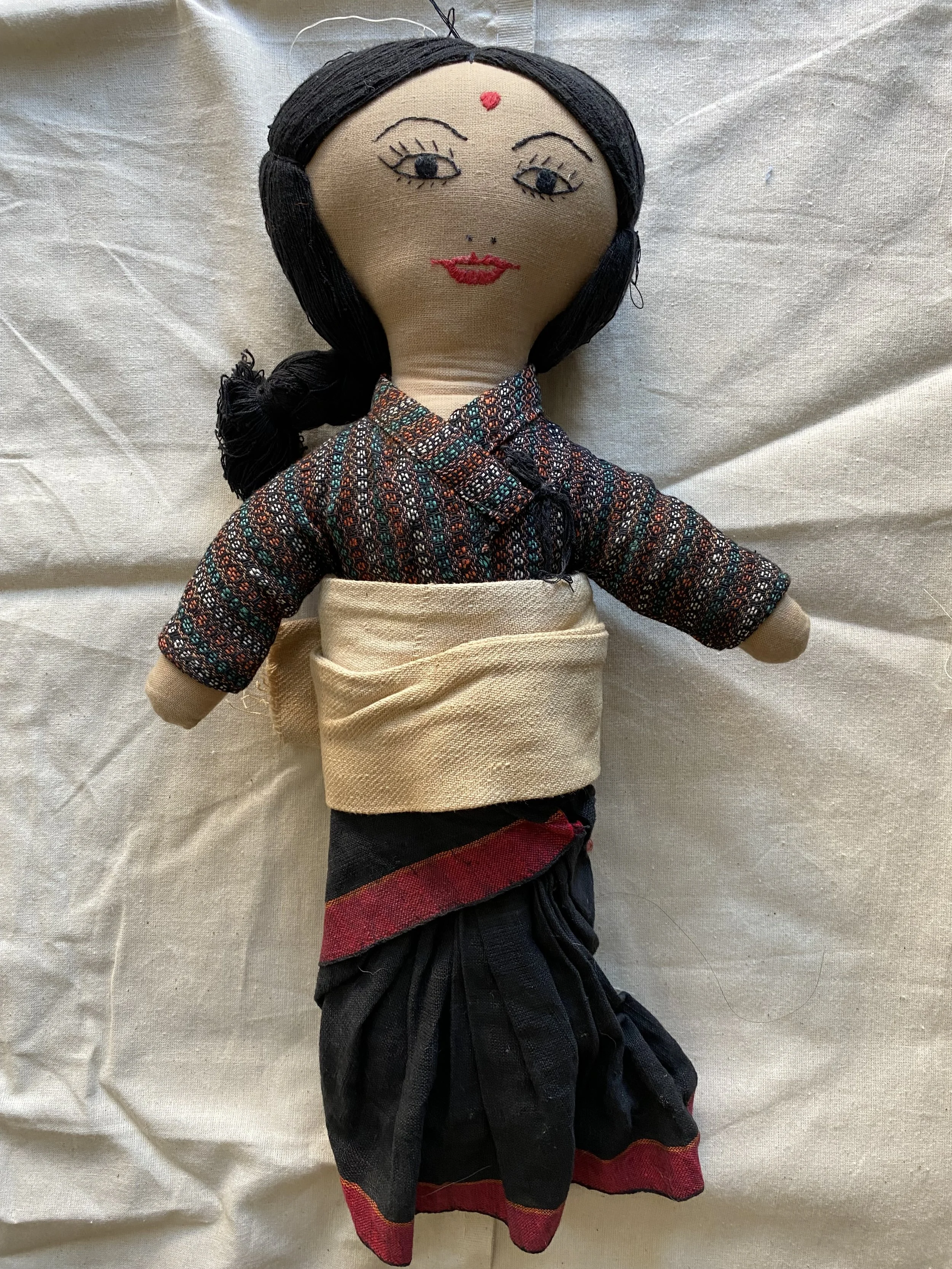
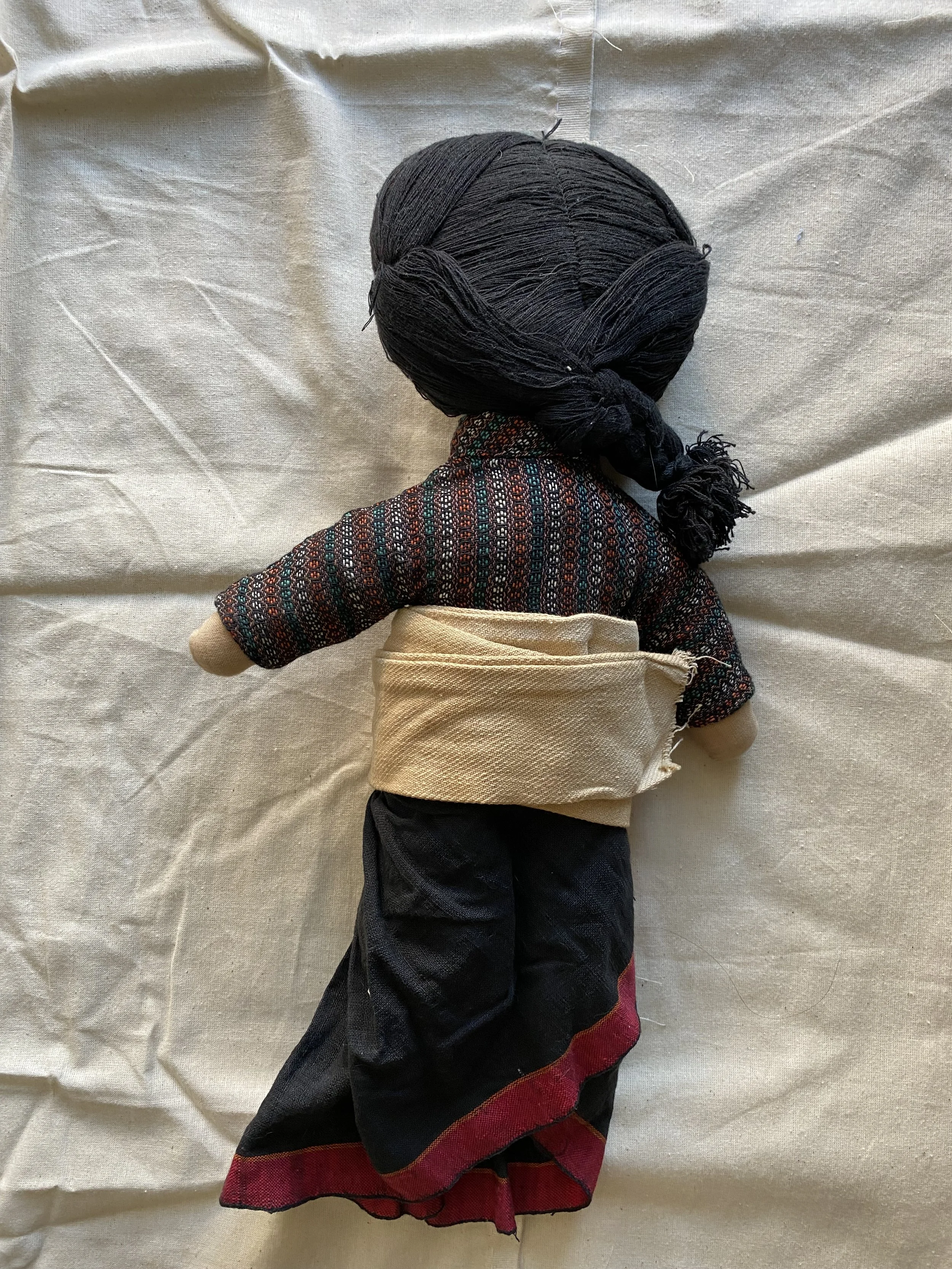
DOLL
Origin: Nepal
Period: Unknown
Length: 44.5 cm
Status: Donated to the Lababidi Doll Collection (Nov 17, 2026)